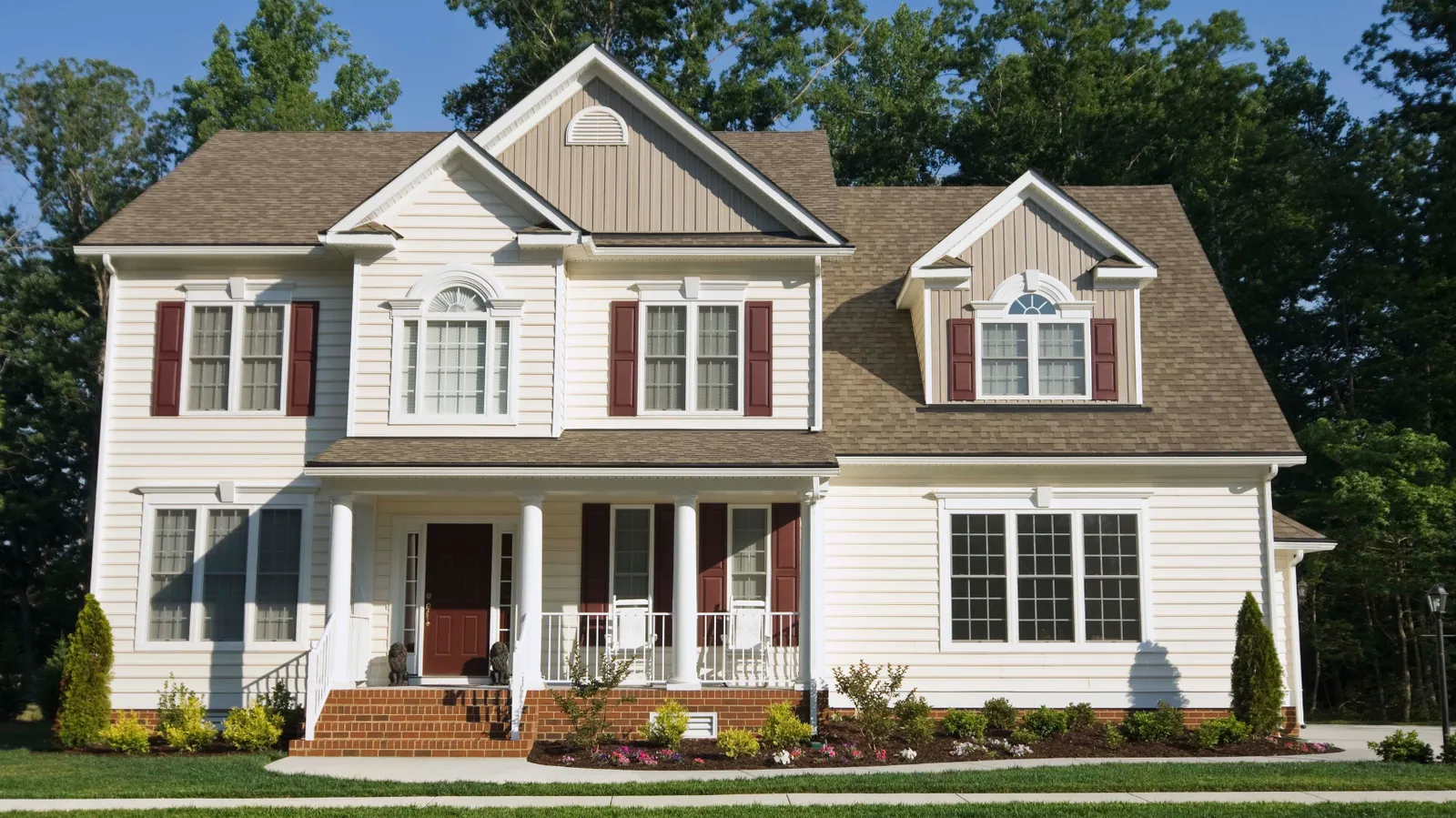
Roofing Materials in Tontitown, AR
Roofing materials come down to one call on a Tontitown roof: the asphalt most homes need, or a step up to metal where the hail earns it. A local roofer names which, and prices it.
- Pictures of each slope, in your hands
- The price in writing before work begins
- One roofer you deal with the whole way
Call (479) 333-8376
Which roof actually fits a Tontitown home
Roofing materials in Tontitown, AR come down to a plain small-town question: the architectural asphalt shingle that suits most homes here, or the case for a tougher material only where Washington County hail makes it worth the money.
A local roofer weighs the real options for your roof, what each costs up front and how it stands up to hail, then names the one it actually needs and says so out loud when a cheaper material would do. The impact grade gets its own read on the shingle guide, and every range sits on the cost page.
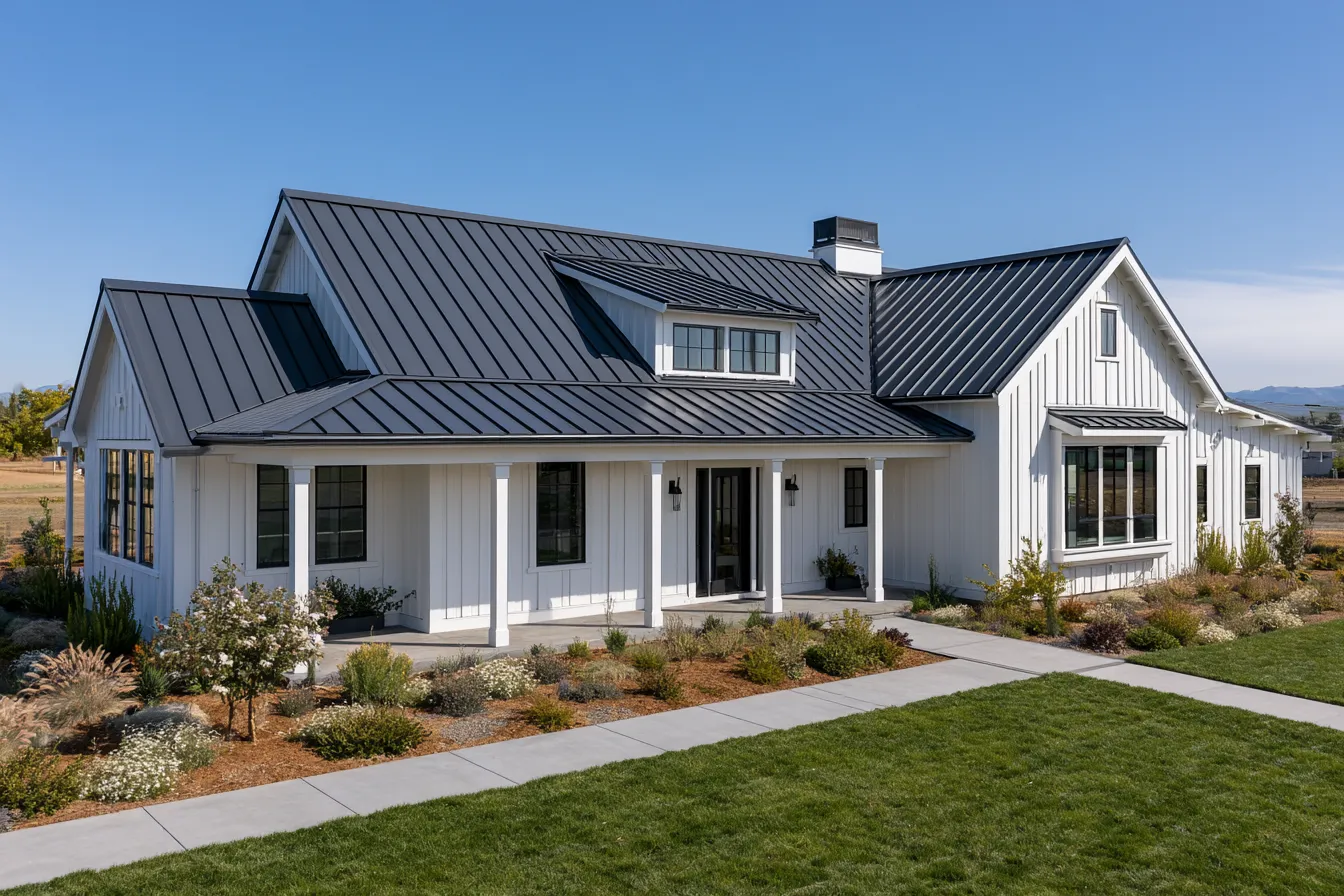
What actually goes on a Tontitown roof
A local roofer names what belongs on a Tontitown home, from architectural asphalt to standing-seam metal, with the hail and cost tradeoffs called out where they matter, and no upsell.
Architectural Shingles
This dimensional shingle is the common roof across Tontitown, worn by the old frame homes near St. Joseph and the newer builds on the east side alike.
Designer & Premium Shingles
A hillside home with a valley view carries a heavier laminate well, the slate and cedar-shake styling reads from a distance without the real material's upkeep.
Impact-Resistant (Class 4)
Spring hail seasons around Washington County make UL 2218 Class 4 a fair question, the rating ships inside either face above and some Arkansas carriers credit it.
* Terms vary with the product and the carrier, put in writing before any work begins. What the manufacturer stands behind is the full system as installed, not an individual shingle.
How roofing materials earn a place on your roof
How architectural asphalt, an impact shingle, standing-seam metal, and a designer shingle compare on Washington County hail, up-front cost, and years on a Tontitown roof.
| Roofing material | How it stands up to the hail here | What it costs and how long it lasts |
|---|---|---|
| Architectural asphalt | The right roof for most Tontitown homes, and it takes routine hail; south slopes age faster without solid attic venting | The low end of the range, and 25 to 30 years on a Tontitown roof |
| Class 4 impact asphalt | Takes a hail hit without the bruising a standard shingle shows, and most Arkansas carriers credit the Class 4 rating | A little more than standard asphalt for the same 25 to 30 years, with more granule left after each hail season |
| Standing-seam metal | Sheds water and takes wind well, and while big hail can dent a panel it rarely opens a leak; worth the jump only where a home plans to stay a long time | A good deal more than asphalt at install, then 40 to 70 years, two asphalt roofs in one |
| Designer shingle | A heavier, layered shingle for a particular look, available in the same Class 4 impact grade, so the style choice and the hail toughness stay separate | A premium over standard asphalt, and about 30 to 40 years |
Style and hail toughness are two separate calls: a Class 4 rating rides on an ordinary shingle or a designer one alike, so paying for the look does not buy the protection. For most Tontitown roofs the impact grade is the one upgrade worth paying for; a roofer prices the two or three that fit your home and how long you plan to stay, and says plainly when the cheaper one is enough.
Questions Tontitown owners ask before a re-roof
The material questions that come up on a Tontitown roof in an active hail county, answered plainly, without a sales push.
Q1What roof do most homes in Tontitown end up with?
Q2When is a metal roof actually worth the jump here?
Q3Is the impact-rated shingle a real upgrade or just an upsell?
Q4Does a newer subdivision home need a different roof than an older one in town?
Q5How much more do metal and premium roofs run in Tontitown?
Q6How do I know a roofer is not just steering me to the priciest roof?
Get your Tontitown roof material priced
The right roof material is the one that fits your house and your budget, not the priciest on the shelf. Tell Tontitown Select Roofing a little about the roof, and a local roofer prices the materials that actually fit it at no cost, with no upsell.