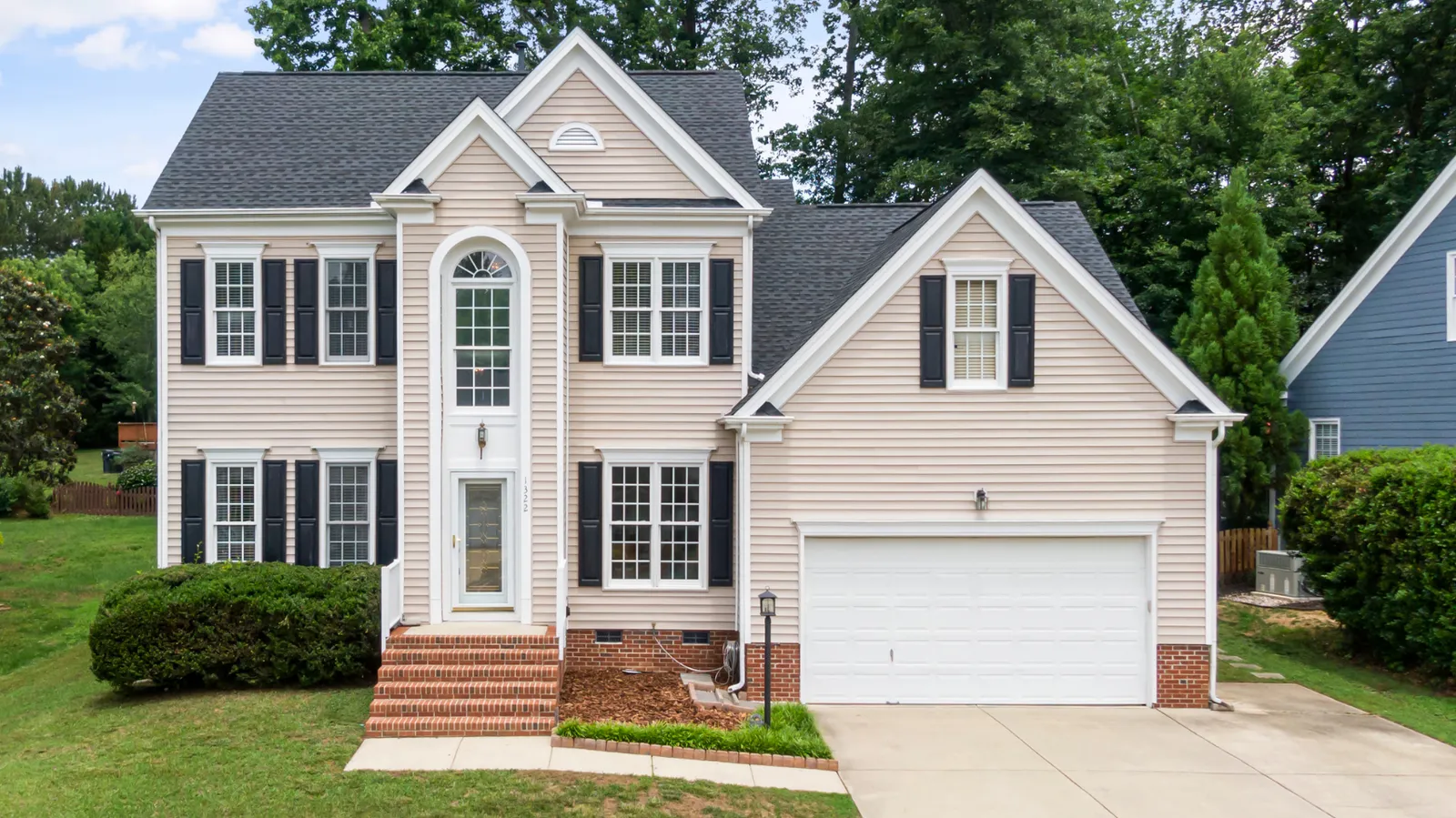
Hail Damage Roof Repair in Tontitown, AR
Washington County sees plenty of hail, though not every storm truly harms a roof. A roofer gets up top, pins the damage to the storm that caused it, and calls it plainly: real, or wear.
- Pictures of each slope, in your hands
- The price in writing before work begins
- One roofer you deal with the whole way
Call (479) 333-8376
Sorting real Tontitown hail damage from wear
Washington County carries a busy enough hail record that a Tontitown roof gets worked over most years. The county has counted twenty hail days in four years, and its biggest stone, a hen-egg near 2.00 inches, came down southwest by Morrow, AR, while the record in Tontitown proper tops out at ping-pong and quarter-sized hail alongside an 86-mph wind.
A roofer gets up on the roof, ties each mark to the storm that made it, and gives the plain call on whether hail truly touched your shingles or the roof is only wearing its age. That read is the backbone of any fair insurance claim.
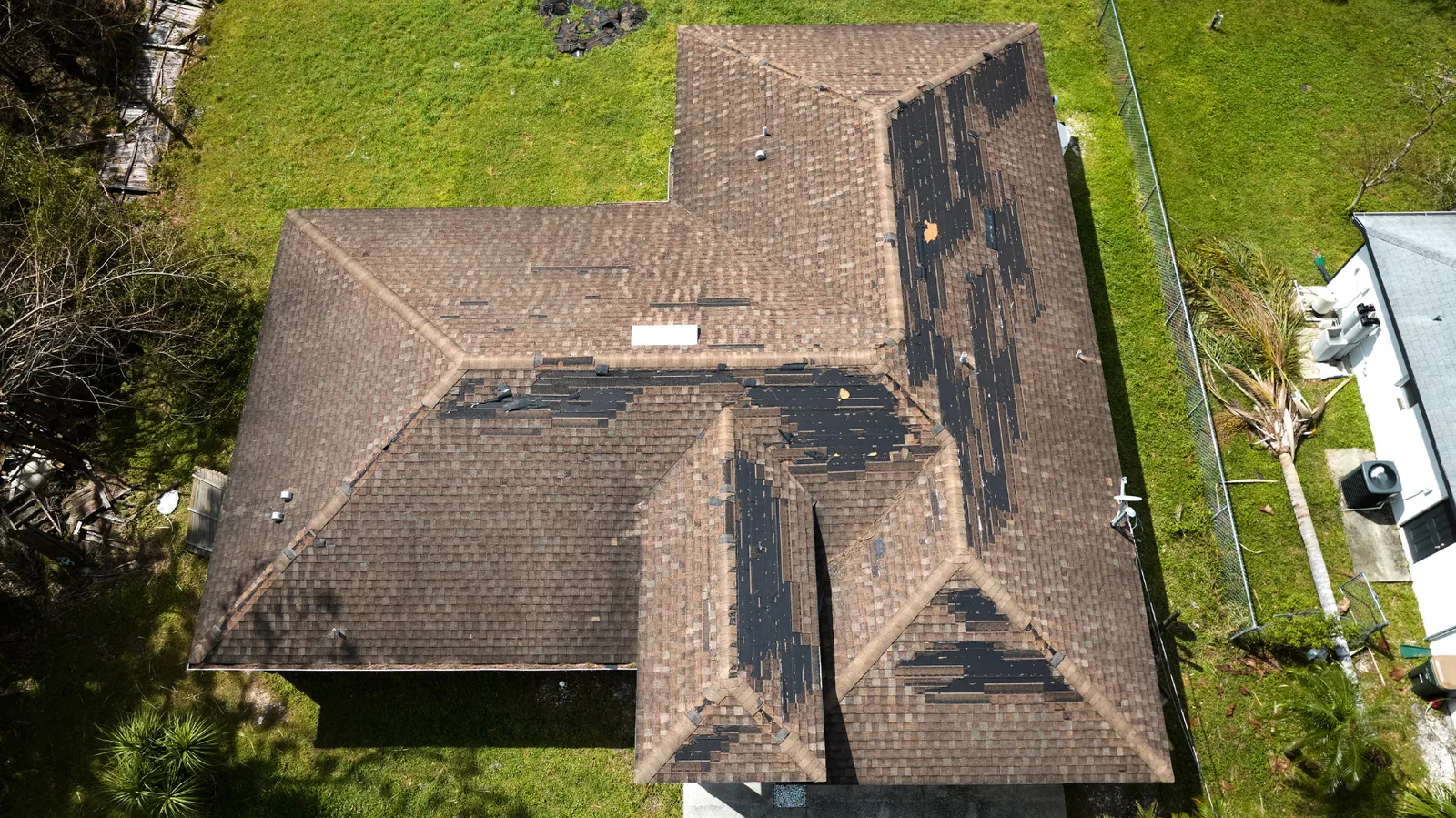
What the read covers after hail
Each mark earns a look, a date, and a plain call: storm or wear.
- 01Bruised and split shingles, told from age
- A hailstone leaves a soft bruise in the mat and can crack a tab clean through, and those fresh hits get separated from the even wear age lays down, so the repair answers the storm and not the years.
- 02Dents in gutters, caps, and light metal
- Hail prints itself first on soft metal, so dinged gutters and holed vent caps do double duty, letting water in and fixing the storm to one datable day on the county record.
- 03Tabs lifted and creased by the gusts
- The wind riding in with the hail, pushing toward the county 86-mph reading, folds and lifts whole courses of tabs, so each one gets logged even after it has settled back flat.
- 04Flashing and boots jarred loose
- A hard blow can unseat the flashing and pipe collars carrying the hidden seal, so each joint is checked alone, since a leak here shows itself a season down the line.
The call rests on what the roof puts in front of the roofer, not a guess from the curb. If the roof looks whole but you are unsure, a dated inspection weighs it against the record and hands back a clean yes or no.
From storm to a straight call
Every plane walked, each mark weighed, the fix held to what broke.
Every plane walked, each mark caught
A roofer moves across the roof plane by plane, marking and dating each bruise, crack, dinged cap, and lifted tab, since next to none of it carries down to the driveway.
Storm or age, called on the spot
Each mark gets set against the county's hail dates and the shape hail actually leaves, so a real hit stands out from old wear, and where the roof is only aging the call says as much rather than nudging you toward a claim.
Only the broken shingles touched
The fix stays on the shingles the hail actually cracked, feathered into the roof already up there, so the sound planes go untouched and you cover the real damage and not a square beyond it. A local roofer does the work and stands behind the call.
What to look for after hail
The marks worth a closer look once the storm clears.
- Fresh dents pocking the vent caps, gutter tops, and the metal apron along the eave
- Soft, darkened bruises on the shingles where a stone struck but broke no hole
- A pipe boot split or a vent collar cracked by the same round of hail
- Granules washed into the gutters heavier than a normal season sheds
- Chimney or valley flashing knocked loose where a stone came down hard
- A ceiling stain surfacing a week or two after the storm rolled through
Almost none of this carries to the yard, so an hour up top after a Washington County storm is time well spent, even on a roof that looks to have taken it fine. If a slope is actually open, photograph the damage first, then tarp; your carrier counts that protection as required and pays it back. Weigh whatever turns up against what the county keeps on record before making any call.
Repair, re-roof, or leave it alone?
Most storms here mark a plane or two rather than the whole roof, so a spot repair is the usual answer instead of a full tear-off. Hail that bruises one slope gets those shingles swapped and feathered in, and the planes that came through clean are left be.
No figure gets quoted until the planes are read, and where age has piled up under the hail, a full replacement carried on a claim can be the wiser spend. The pricing guide walks through the per-square numbers.
See the per-square numbers- Faint bruising or dulled granules on a plane usually means a spot repair
- Cracked or split tabs get those shingles swapped and feathered in
- A roof that came through sound means the honest move is to leave it
- Where age has worn the roof under the hail, replacing it can pay off better
What steady hail asks of a roof
Tontitown sits in real hail country, not a town that sees one storm a decade. The county's four years on record hold twenty hail days, so the read here is repeat exposure, a roof worked again and again, most of it minor and some of it real. A roofer dates each mark to its own storm, so this year's hits never blur into last year's.
- 01Steady hail, so marks stack up
- A roof here can take hail in more than one season, so a dated read keeps each storm's marks sorted rather than run together.
- 02Real stones, seldom the monsters
- The record in Tontitown itself runs to ping-pong and quarter-sized hail, enough to crack a tab on an older roof, while the near-two-inch county stone fell southwest of town, by Morrow.
Unsure the last storm even reached your roof? A dated inspection measures it against the county record and gives you a clean yes or no on your own schedule.
What owners ask once hail passes
The questions that surface after the storm.
Q1Is Washington County hail even big enough to hurt a roof?
Q2How can you tell hail damage from plain wear?
Q3In Arkansas, how long is there to file a hail claim?
Q4A neighbor got a whole new roof after that storm and mine looks fine. Odd?
Q5Will anyone lean on me to file?
Q6What should I nail down before a roofer takes on my hail damage?
Get the read before you file or fix
Once the hail moves off, get a plain read before you patch anything or put pen to paper. Hand Tontitown Select Roofing your address and a local roofer dates the damage to the storm and lays out the plain choice between a repair, a new roof, a claim, or leaving it be.