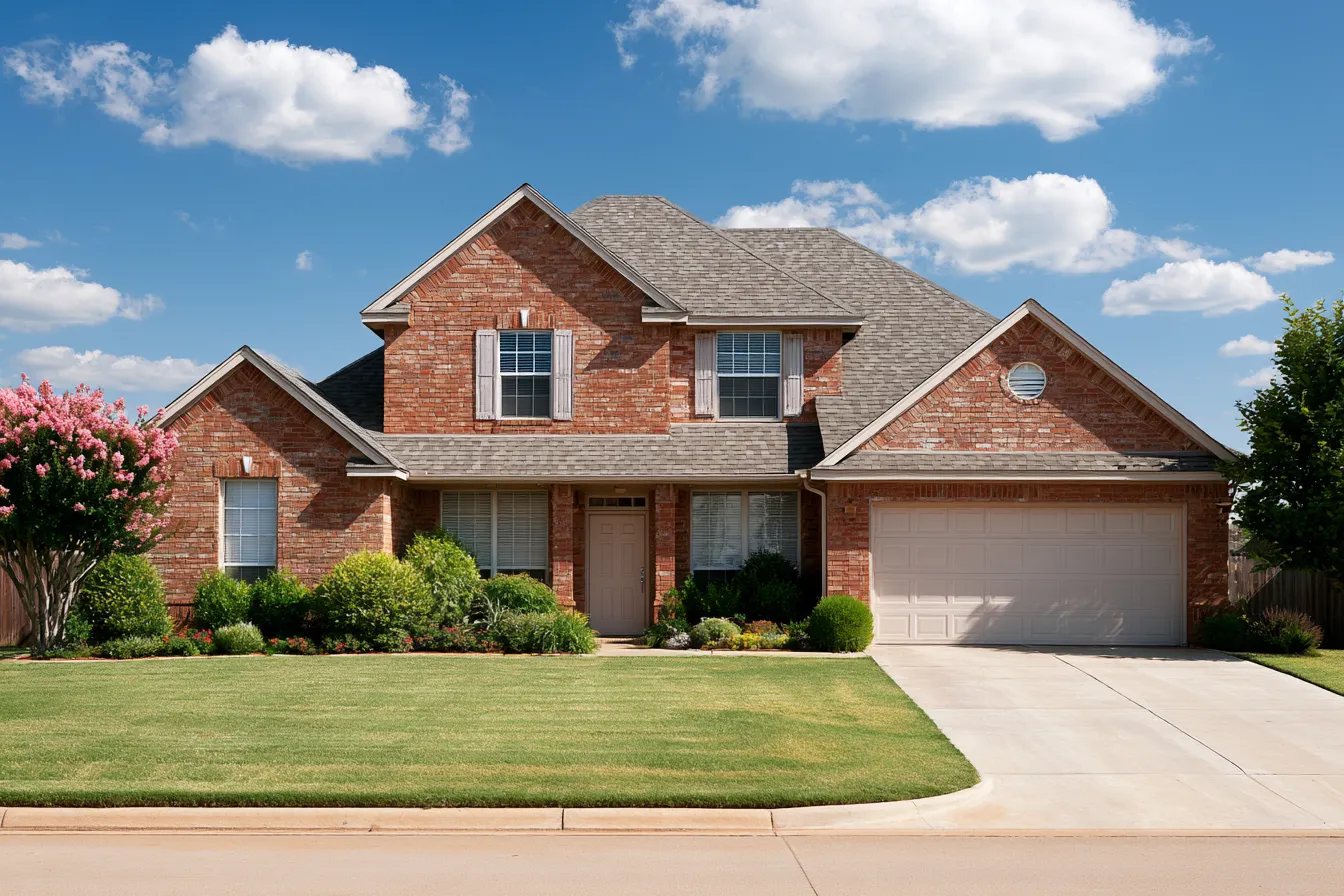
Roof Replacement in Tontitown, AR
A roof replacement on a Tontitown home gets one plain number before tear-off, with the few things a tear-off can turn up named up front so nothing lands on the bill by surprise. A local roofer reads yours first, at no cost.
- Pictures of each slope, in your hands
- The price in writing before work begins
- One roofer you deal with the whole way
Call (479) 333-8376
What a roof replacement settles up front
A roof replacement is the biggest number a roof ever asks of you, so the honest work starts before tear-off, with whether the roof has even earned one. A roofer reads the whole roof, weighs its age against what a repair could still carry, and says plainly which way the money should go.
Once a re-roof is truly the call, one plain estimate carries the whole job before the first shingle comes off, with the few after-tear-off surprises named up front. Whether the roof has earned it is settled first by a free inspection, and the cost guide breaks the ranges down by material.
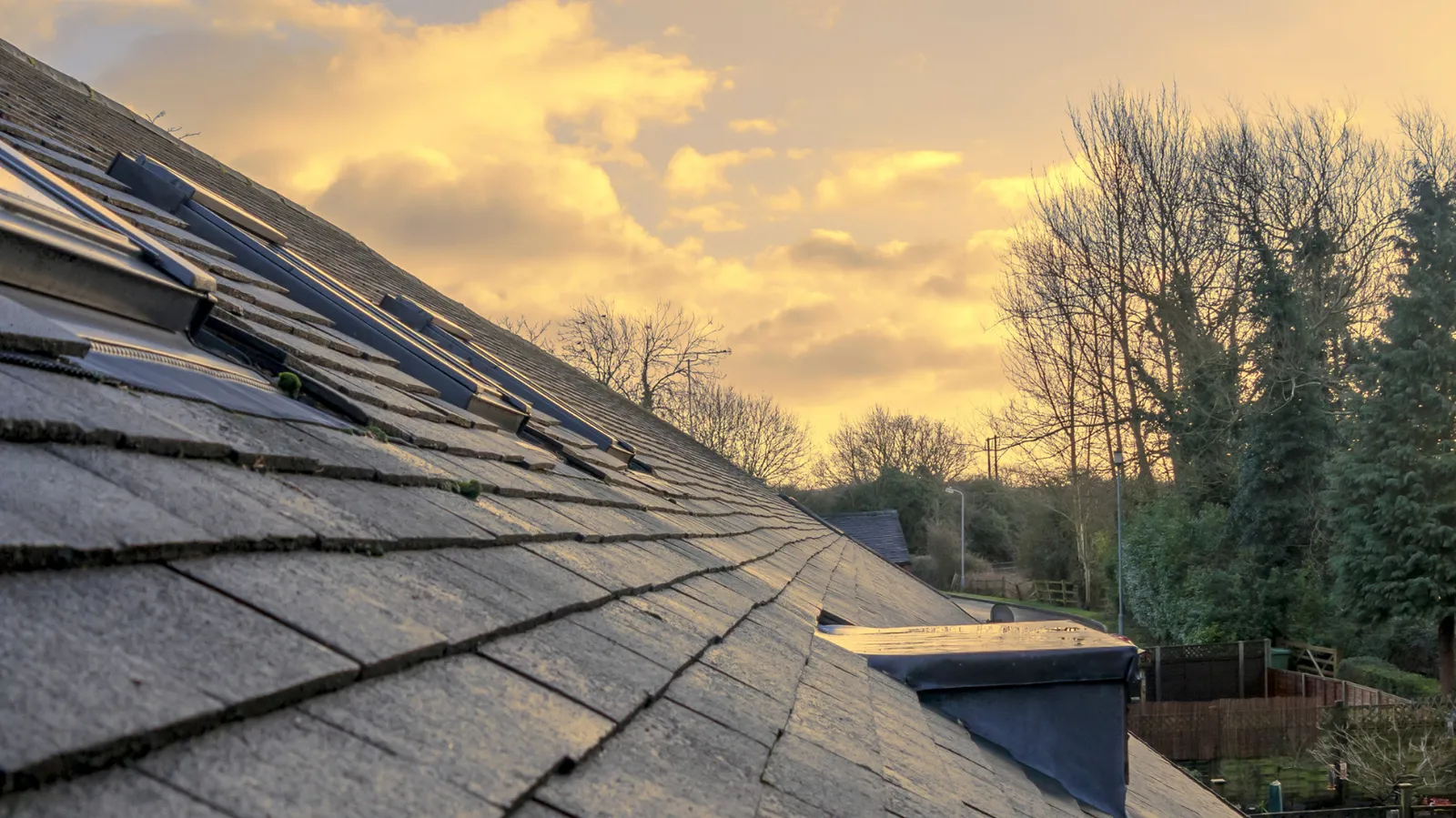
What a straight re-roof estimate tells you
The parts a roofer settles with you before tear-off, so the price is one plain number and nothing gets used to talk you into more roof than the house needs.
- 01Whether the roof has even earned a re-roof
- A roofer weighs the roof age against what a repair could still buy you, and will tell you to wait or patch when that is the real answer. A full re-roof is the biggest fix a house asks for, so the roof condition should be what calls for it, not a sales push.
- 02One number, with no padding and no surprises
- A roofer prices the whole job in writing before tear-off, the shingle, the underlayment, the flashing, the labor, so the figure you see is the figure you pay. Nothing gets added quietly later, and nothing gets inflated with damage that is really ordinary wear.
- 03The deck, the one thing no one can price until tear-off
- A roofer walks the bare deck board by board once the old covering is off, prices any soft or split sheet out loud with you standing there, and only then adds it. A doubled-up roof strips to bare wood either way, because Arkansas allows two layers at most.
- 04New flashing, not the old metal bent back on
- A roofer sets new metal at the walls, valleys, and chimney when the new roof goes on, cut to fit this house, since old flashing bent back on is one of the first places a re-roof starts to leak. It is priced as its own line, never a quiet re-use to trim the bid.
- 05The permit pulled, and the bond to check
- A roofer takes out the Tontitown and Washington County permit in your name before the tear-off begins, under the statewide Arkansas Fire Prevention Code the town enforces. Arkansas registers a residential roofer on any job over $2,000 and backs that registration with a $15,000 surety bond through the Contractors Licensing Board, and every roofer we send already carries both before a crew sets foot on the roof.
Not sure a full re-roof is even the call yet? Have the roof read first, and the shingle options guide weighs which covering is worth the extra cost in Washington County hail.
How a Tontitown re-roof actually goes
Four stages, each one you can see and sign off before the next, so there is never a step you did not know was coming.
A free read and a plain written plan
A roofer meets you at the house, gets up on the roof, and measures every slope, reading the pitch and the flashing where it sits. That first visit is free and ends with a plain written plan: the materials, the days a crew would be up there, and a plain call on whether the roof is even ready to re-roof, so you decide with the facts in hand and no one leaning on you.
Tear-off, and the deck read in the open
A roofer pulls the old covering and reads the bare deck in full light, checking each board and flagging any that has gone soft or split. A board that needs replacing is one you look at together before it is priced, so the deck never becomes a number you did not watch get decided.
Underlayment, new flashing, then the shingle
A roofer lays the synthetic underlayment, sets new flashing at the walls, valleys, and chimney, and runs the drip edge before a single shingle is laid. The covering you chose goes on last, and it is fastened the way the maker requires so the warranty holds and it lasts its rated years, and where hail is this regular an impact-rated shingle gets the same careful install.
A last walk, a nail sweep, and the warranty
A roofer closes out with a magnet sweep of the yard and beds for dropped nails, then walks the whole finished roof with you against the plan you signed. You are left with the workmanship promise in writing and the maker warranty, plain paperwork behind a roof no one pushed you into buying.
When a roof is truly done, not just tired
When several of these turn up at once, the roof is usually finished, and no single patch will buy it much more time.
- Shingles gone brittle and cracking across the roof, well past the years they were rated for
- Tabs curling and lifting on slope after slope, not a single corner you could patch
- A carrier already signing off on a full replacement, not a patch, after a storm claim
- Two layers already stacked up top, so Arkansas code sends the roof down to bare decking
- Valleys and chimney flashing that reopen and drip every season, whatever gets patched
- A leak that keeps coming back in the same spot after every storm, whatever the last patch sealed
Halfway between patching it and re-roofing it? A free slope-by-slope read sorts it out, and when a storm is behind the damage, the insurance claims guide covers dating hail to the storm for a claim.
What moves the price of a re-roof
A roof is measured in squares of 100 square feet, and a typical Tontitown home runs about 24. On that roof, architectural asphalt lands around $410 to $690 a square, a Class 4 impact shingle about $510 to $780, a designer profile near $550 to $960, and standing-seam metal, the long-hold pick, $830 to $1,470.
Treat these as planning ranges for a Tontitown roof, not a quote, since the real number only lands after a roofer measures yours and reads the deck. The impact shingle costs more up front, and in a county that sees hail most years it is the upgrade worth pricing.
See the full cost guide- Squares set the base, one square is 100 square feet, and most Tontitown roofs run near 24, with larger or steeper homes going past that
- The deck is the only figure read after tear-off, always shown to you in the open before it is charged
- Architectural asphalt is the real floor near $410 to $690 a square, and impact, designer, and metal climb from there
- A Class 4 impact shingle asks more at the start but holds up where hail comes most years, and a carrier may discount it
One small town, three very different re-roofs
Tontitown is small, but it holds three kinds of home, so a re-roof means something different across town. A roofer reads the house in front of them, an old frame place in the historic core, a new build on the growing east side, or a country home out on the west-side acreage, and scopes each on its own age and pitch, not a town average.
- 01An old frame home near St. Joseph
- The founding-era homes carry aged decking and steep original pitches, so a re-roof there is usually a full strip, read in the open before the roof closes.
- 02A newer build on the growing east side
- A newer east-side home still sits near its first warranty window, so the real question is builder-grade like-for-like or a step up to an impact shingle.
- 03A country home on west-side acreage
- A home on the old vineyard land often mixes farmhouse age with newer additions, so a roofer reads each plane on its own before naming a scope.
Not sure where your roof lands among these? Get it read first, and when a targeted repair can still carry it, that is the answer you will hear before anyone talks re-roof.
Questions worth asking before you re-roof
The things a roofer settles with you, plainly, before a re-roof lands on your Tontitown calendar.
Q1Will a roofer tell me if I do not need a re-roof yet?
Q2What keeps the price from jumping once the old roof is off?
Q3Will insurance help pay for a Tontitown roof replacement?
Q4Does a re-roof in Tontitown need a permit, and who checks the roofer?
Q5Should I match the old shingle or step up to an impact one?
Get your Tontitown re-roof read before you commit
No two Tontitown re-roofs price the same, and none is worth doing until the roof has earned it. Send Tontitown Select Roofing your address, and a local roofer reads every slope, checks the deck where it shows, and writes one plain estimate at no cost.