
Roof Repair in Tontitown, AR
A leak seldom begins at the spot it shows inside. A roofer finds the fault behind it, fixes only that, and gives a straight read on whether the roof is worth repairing.
- Pictures of each slope, in your hands
- The price in writing before work begins
- One roofer you deal with the whole way
Call (479) 333-8376
Roof repair that fixes the fault behind the leak
Roof repair in Tontitown, AR covers two very different houses: a century-old farmhouse whose roof may be spent, and a new east-side build with one detail that let go. A roofer reads which one is yours before quoting a price.
A roofer traces the trouble to the part that failed and repairs only that, then says plainly whether the roof has years left or is nearly out of them. A young roof gets a clean fix, a worn one a level call. Weigh a dated inspection before a re-roof is on the table.
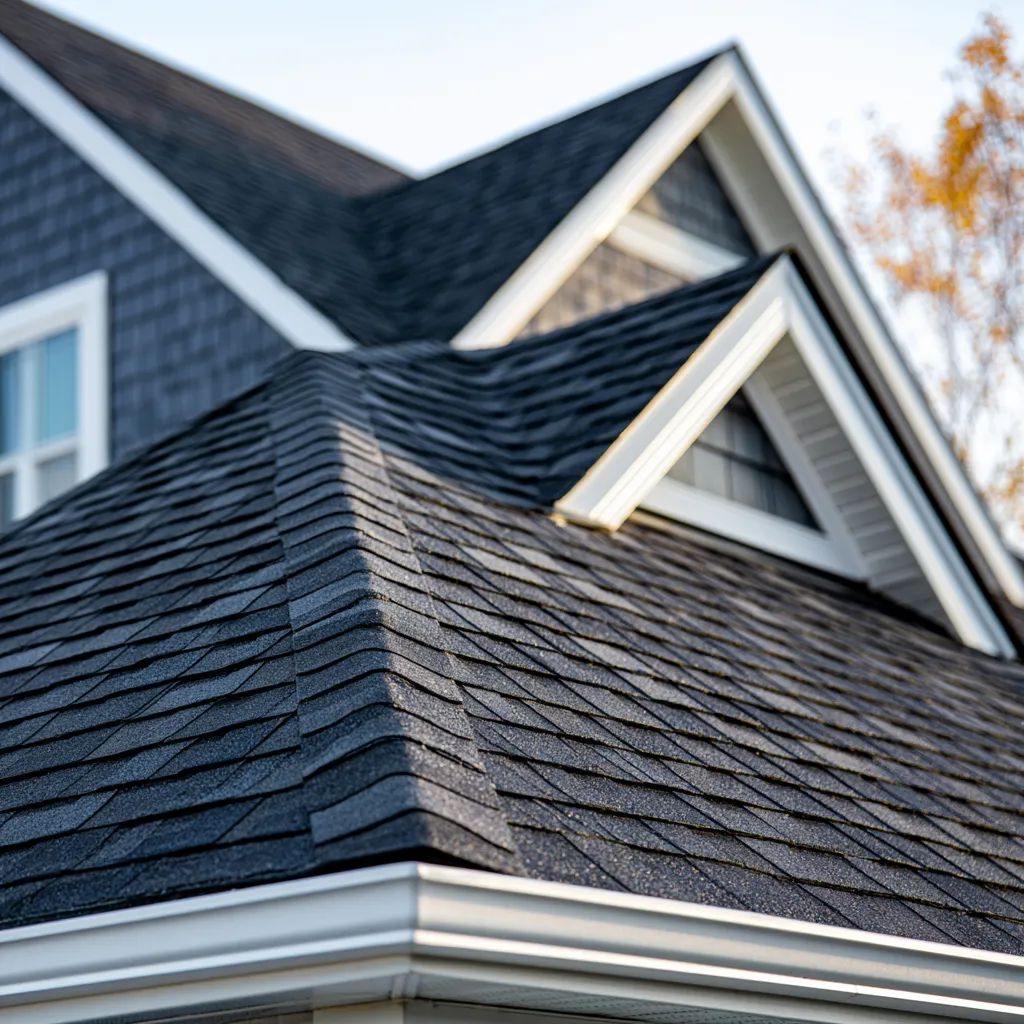
Where a roof usually gives out first
Each one a roofer fixes on its own, with a plain read on the rest.
- 01A pipe-boot collar cracked with age
- The rubber collar around a plumbing vent hardens and splits after years of sun, then runs water down the pipe into the ceiling while the shingles beside it still look fine. A roofer swaps the collar, one of the cheapest and most common faults on a roof here, and checks that nothing upstream is feeding it.
- 02Wall or chimney flashing worked loose
- Where the roof meets a sidewall or a chimney, thin metal does the sealing, and years of heat and hail pry it loose. A roofer re-forms or replaces that metal so the joint sheds water on its own, with no bead of caulk faking a seal that fails by spring.
- 03A hail-bruised shingle hiding a crack
- A Washington County hailstone can bruise a shingle without breaking the surface, and that hidden split in the mat lets water through months later while the slope still looks whole. A roofer marks each strike and ties it to the storm that caused it.
- 04A tired valley on an older farmhouse
- On an aging roof the valley metal, where two slopes drain together, thins and rusts through before the field does. A roofer rebuilds that valley when the rest of the roof still holds, and says so plainly when it does not.
Not sure which one is behind your leak? Book a roof inspection and the real opening gets found and shown to you, and when hail is the cause, the storm-damage guide covers dating the loss for a claim.
Signs to catch before the bill grows
Any one of these is cheapest to fix the day you notice it.
- Shingle tabs lifted or curling along one slope after a hard Arkansas wind
- Chimney or valley flashing you can see has worked loose
- A soft, spongy patch of decking that gives a little underfoot
- Dark algae streaks or a cushion of moss on a slope that stays shaded
- A ceiling stain that creeps wider after each hard rain
Catching one of these while it is small is the cheapest a repair ever gets. On a slope that keeps taking hail, a roofer will weigh whether an impact-rated shingle earns its cost the next time the roof is replaced.
Why the repair number lands where it does
A repair here is priced off the fault a roofer finds, not the size of the roof, so a small fix stays a small number. Reseating a vent collar sits at the low end, while rebuilding a valley or re-flashing a chimney carries more labor and material.
A roofer names that figure only after the fault is in plain sight, lists every part and hour on the estimate, and never pads it to nudge you toward a re-roof you do not need. The cost guide lays out full replacement ranges for the day the roof has truly run out.
See replacement cost ranges- A single failed part is a repair, never a push to replace a sound roof
- A vent collar is the low end, while a valley or chimney flashing runs higher
- Parts and labor are itemized before a hand touches the roof
- The price waits until the fault is in view, and then it holds
Repair or replace, the honest answer
Whether a repair is the right money comes down to two things a roofer can see: how old the covering is and how much sound field is left around the fault.
A newer east-side roof with one bad detail is a clean fix worth keeping, while an old farmhouse roof leaking at the valley may mean the covering is spent. A roofer gives you that call directly, before a dollar moves, and points to a re-roof only when the roof has truly earned one.
- 01A newer roof, a clean repair
- On a young or well-kept roof the boots, flashings, and seal strips give out well before the shingles, so fixing the one that failed is the whole job and the smart spend.
- 02A spent roof, the real call
- On a worn farmhouse roof the same leak is often the first of several the covering is about to spring, and a roofer says so plainly rather than sell a patch the next hailstorm will undo.
Want the repair-or-replace call before you decide? A roofer gives it to you plainly, with photos of what he found, and the warranty guide shows how a repair sits against any coverage still running on the shingles.
The questions Tontitown owners ask first
Direct answers before you send the form.
Q1My roof is getting old. Is a repair still worth the money?
Q2The shingles look fine from the yard. Where is the water coming in?
Q3Hail just rolled through. Do I repair or file a claim?
Q4How do I know a repair fixed the real problem and not just the symptom?
Q5Will the repair carry a warranty?
Q6How fast can a repair happen once I reach out?
Get a plain read on the repair
Tell Tontitown Select Roofing what the roof is doing, and a local roofer finds the real fault, shows you the photos, and sets one fair repair price with the repair-or-replace call made up front. You get the clear answer before any work is booked.